
Picture a classroom on a Monday afternoon. The windows are shut, the AC is humming, and thirty kids have been breathing the same recycled air for hours. By 2 p.m., eyes are glazing over and hands are drooping instead of shooting up. Teachers often blame the schedule or the subject. But sometimes, the real culprit is what's floating in the air itself.
That's the question more parents, teachers, and school administrators are asking: does a classroom air purifier actually change how students think and learn, or is it just another gadget in the corner? Let's look at what's really going on.
What Does a Classroom Air Purifier Actually Do?
An air purifier for classroom spaces pulls in room air, pushes it through a series of filters, and sends cleaner air back out. Most units built for schools use three filtration stages: a pre-filter that traps large dust and hair, an activated carbon filter that absorbs odors and chemical fumes, and a True HEPA filter that captures particles as small as 0.3 microns, including dust, pollen, and airborne germs.
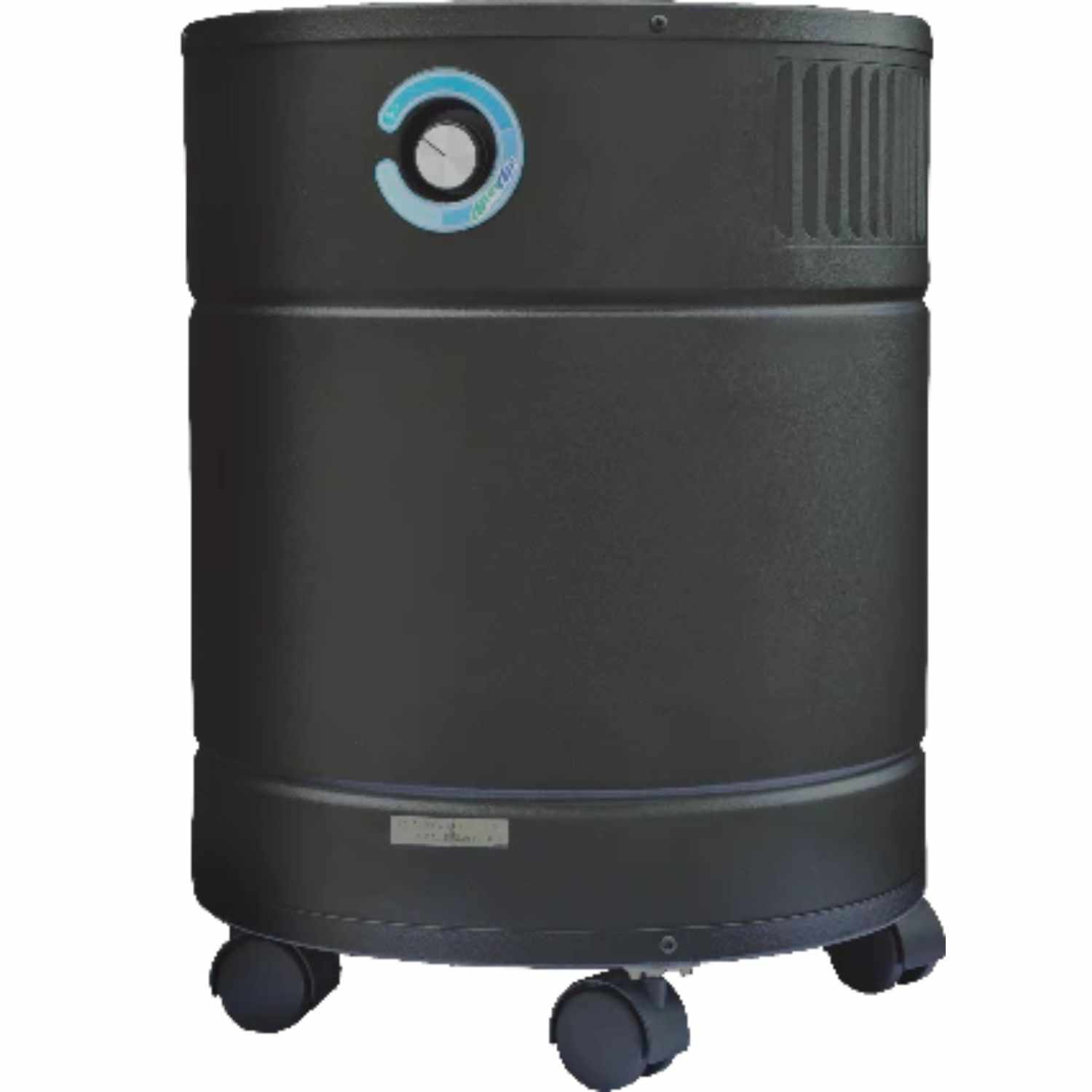
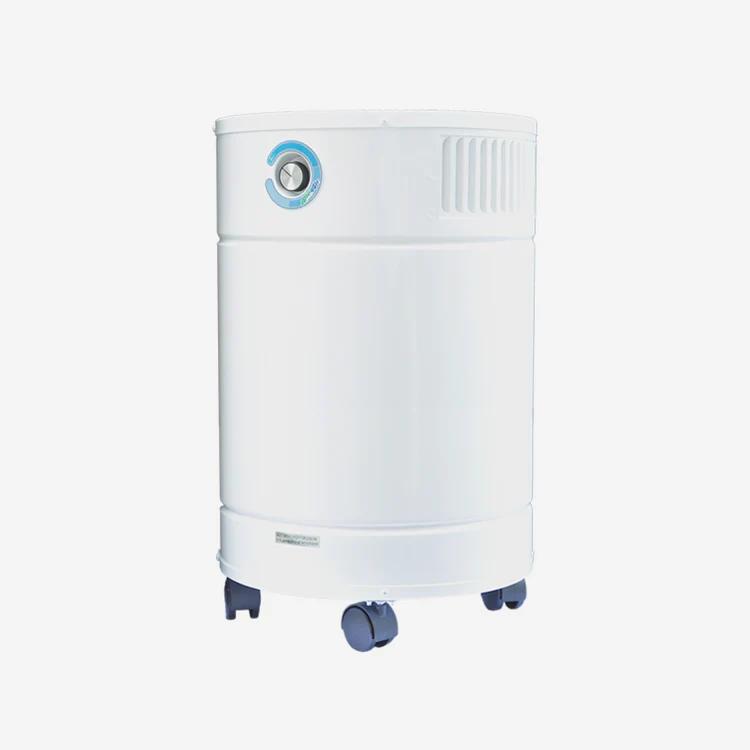
The order of those filters matters more than people think. Some purifiers filter with HEPA first and carbon last. AllerAir designs its AirMedic Pro series the opposite way, running air through carbon before HEPA, so the HEPA filter isn't clogged early and can work at full strength for longer.
The Science Context: Why Air Changes Per Hour Matter
Here's a number worth knowing: ACH, or Air Changes per Hour. It measures how many times the air in a room gets fully replaced or filtered in sixty minutes. The CDC recommends classrooms aim for 3 to 6 ACH to reduce the buildup of airborne viruses, bacteria, and everyday allergens.
Most school buildings, especially ones over twenty years old, weren't built with this in mind. Even newer HVAC systems often fall short of that range on their own. A standalone unit rated around 400 CFM (cubic feet per minute) can bring a typical classroom of 500 to 1,000 square feet up to 3-5 ACH without adding excess noise, something worth checking before buying.
Can Cleaner Air Actually Help Students Focus?
There's no single study that proves an air purifier guarantees better grades. But the pieces connect in a straightforward way. Poor indoor air quality is linked to headaches, fatigue, and drowsiness, all of which pull attention away from a lesson. Reduce the pollutants, dust, and stuffiness in a room, and you remove some of the physical distractions working against a student's concentration. Fresh air doesn't do the studying for a kid, but it clears the runway.
What Makes the Best Air Purifier for Classroom Use
Not every purifier belongs in a school. Here's what separates the best air purifier for classroom environments from a home model:
True HEPA filtration, not just "HEPA-type," which is a much lower efficiency
A CFM rating suited to room size, not maxed out for a much bigger space
Low noise output, since a loud fan competes with the teacher's voice
Sealed, steel construction that holds up to years of daily use
No ozone emission, since ozone generators can irritate young lungs
One Room Doesn't Fit All: Teachers, Elementary Kids, and High Schoolers
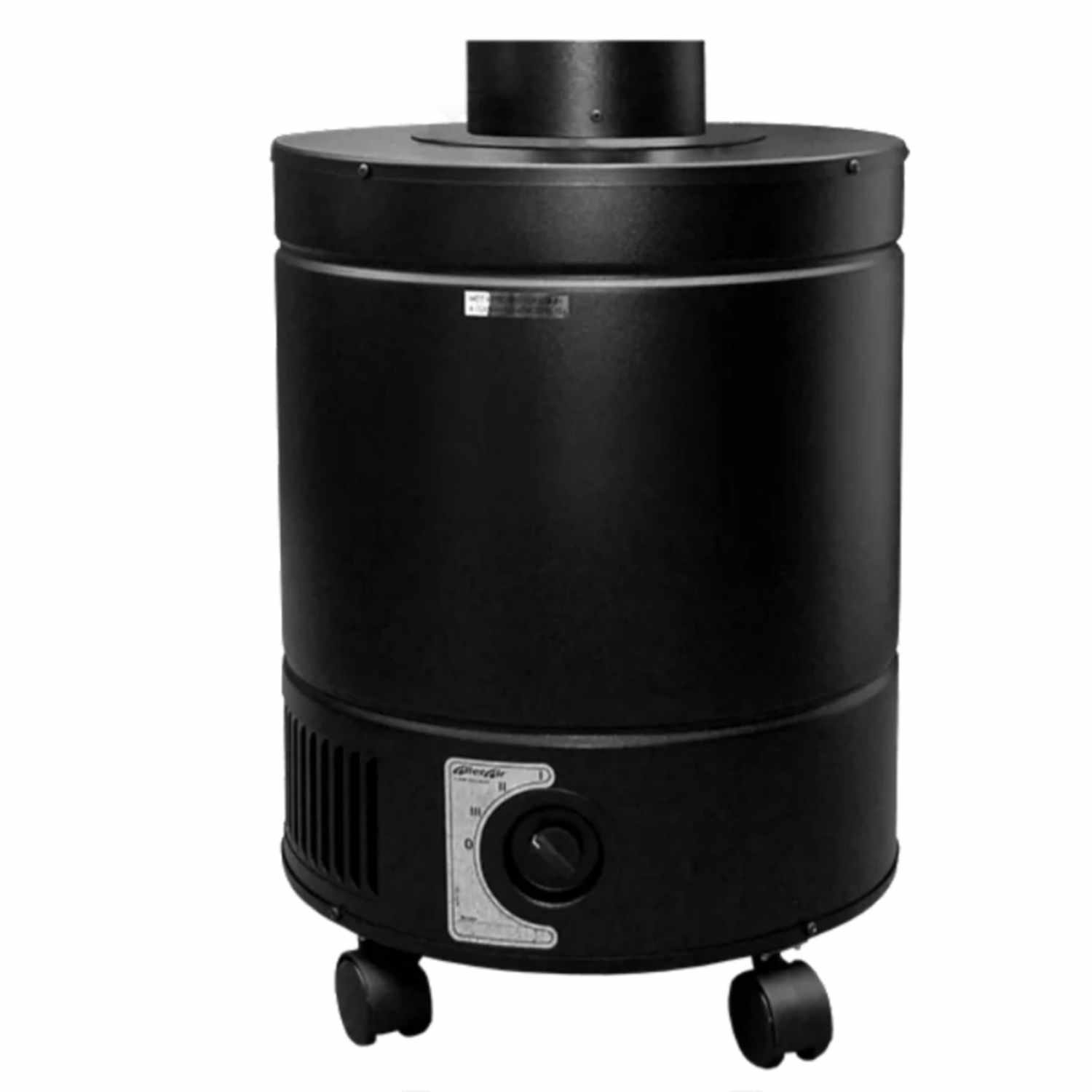
Search interest around the best air purifier for teachers, the best air purifier for elementary students, and the best air purifier for high schoolers has been climbing, and for good reason. A kindergarten room with 20 five-year-olds has different air quality demands than a 1,200-square-foot high school science lab shared across six periods a day. Elementary rooms tend to need a quieter, lower-CFM unit since young kids sit closer to the source. High school and lab spaces often call for a stronger unit like the AirMedic Pro 6, built for rooms up to 2,000 square feet. Teachers researching a unit for their own classroom should match the purifier's coverage rating to the actual square footage, not just the sticker price.
FAQs
Does a classroom air purifier remove viruses and bacteria?
True HEPA filtration captures particles down to 0.3 microns, which includes many airborne viruses and bacteria. Pairing it with a UV-C stage adds another layer against germs.
What's the difference between HEPA and True HEPA?
True HEPA (H13 grade or higher) filters 99.97% of particles at 0.3 microns. Standard "HEPA-type" filters don't meet that same efficiency and can let far more through.
How loud is a classroom air purifier?
A well-sized unit running around 400 CFM should stay quiet enough for normal teaching, especially if it's matched to the room instead of oversized.
Is an allerair air purifier different from store-brand models?
AllerAir units are built with a reversed filter order, carbon before HEPA, along with steel housing and a 10-year warranty, which is longer than most consumer models offer.
Final Thought
A classroom air purifier isn't a magic switch for better test scores. But it does something measurable: it lowers the airborne particles and stale air that quietly work against attention span. For schools weighing the decision, choosing the best air purifier for classroom spaces comes down to matching room size, noise level, and filtration to real classroom conditions, not chasing the flashiest spec sheet. Get that right, and cleaner air gives students one less thing standing between them and focus.

Write a comment ...