You walk into your home, close the door, and think you're safe. But here's the thing — the air inside your home can actually carry more germs, viruses, and bacteria than the air outside. Scary, right?
That's exactly why more American families are asking: can an air purifier to kill germs actually work? The short answer is yes — but not all air purifiers work the same way. Let's break it down simply so you know exactly what you're getting.
What's Actually Floating in Your Indoor Air?
Before we talk about solutions, let's understand the problem.
Germs, viruses, and bacteria are tiny particles that travel through the air. When someone sneezes or coughs, they release thousands of microscopic droplets. These droplets float around — sometimes for hours — and anyone nearby can breathe them in.
Common airborne threats in US homes include influenza, the common cold virus, COVID-19, mold spores, and bacteria like streptococcus. The EPA has consistently noted that indoor air can be 2 to 5 times more polluted than outdoor air. So yes, this is a real problem worth solving.
How Do Air Purifiers Work Against Viruses and Bacteria?
Not every air purifier is built the same. Here are the main technologies used in air purifiers for viruses and bacteria:
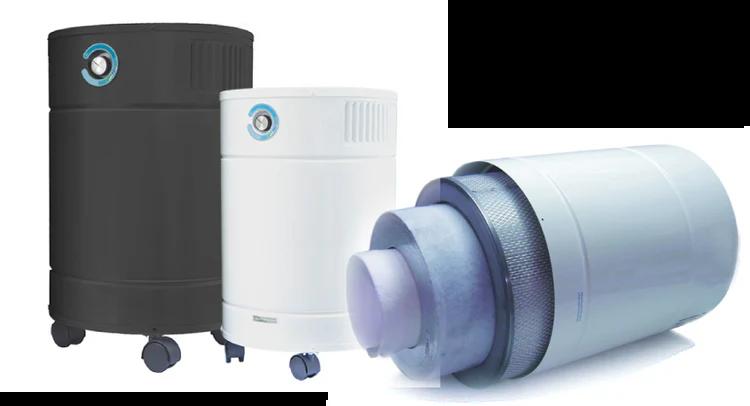
HEPA Filtration — Standard HEPA filters capture particles down to 0.3 microns. However, many viruses are smaller than that. This is where Super HEPA technology steps in, filtering particles down to 0.125 microns — small enough to capture the coronavirus, which measures exactly 0.125 microns in size.
Germicidal UV-C Light — UV-C light physically destroys the DNA of viruses and bacteria, preventing them from reproducing. AllerAir's AirMedic series, for example, uses a germicidal UV bulb specifically designed to neutralize airborne pathogens, including mold spores.
Activated Carbon — This layer removes harmful gases, chemicals, and odors that basic filters miss entirely. It's an important third layer of protection most budget purifiers skip.
When these three technologies work together, you get a genuinely powerful defense against airborne illness.
Does an Air Purifier for Viruses and Bacteria Actually Work? What Science Says
The CDC, EPA, and WHO all recommend HEPA filtration as an effective method to reduce airborne particles including viruses. During the COVID-19 pandemic, hospitals and medical clinics specifically turned to air purifiers for viruses and bacteria — units with Super HEPA and germicidal UV systems — to reduce infection risk in high-traffic spaces.
The key word is reduce — air purifiers significantly lower the concentration of harmful particles in the air. They don't replace handwashing or social distancing, but they add a critical layer of protection, especially in enclosed spaces with limited ventilation.
A good rule of thumb: if an air purifier can filter particles down to 0.125 microns and includes UV-C, it is effective against the vast majority of common airborne viruses and bacteria.
Which Air Purifier Is Best for Killing Germs in Your Home?
When shopping for the best air purifier that kills viruses, look for these features:
Super HEPA filter (not just standard HEPA)
Germicidal UV-C light option
Activated carbon layer for chemicals and odors
Metal housing — metal can be disinfected easily, unlike plastic units
Room coverage that matches your space
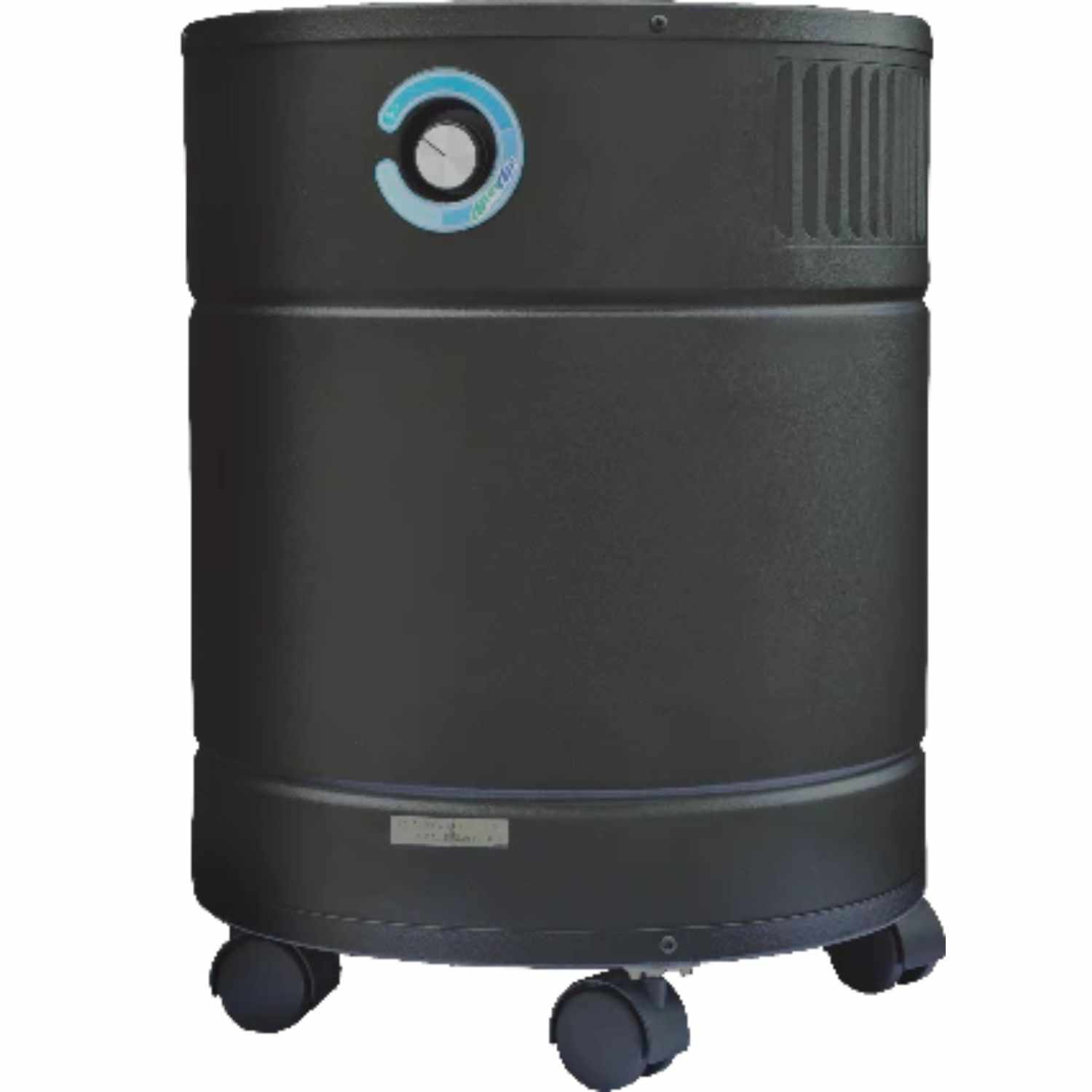
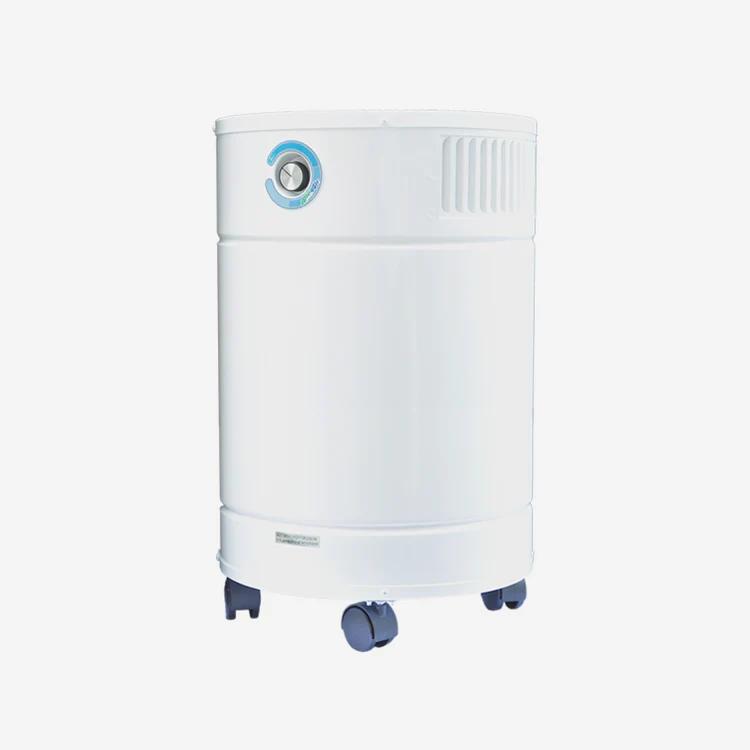
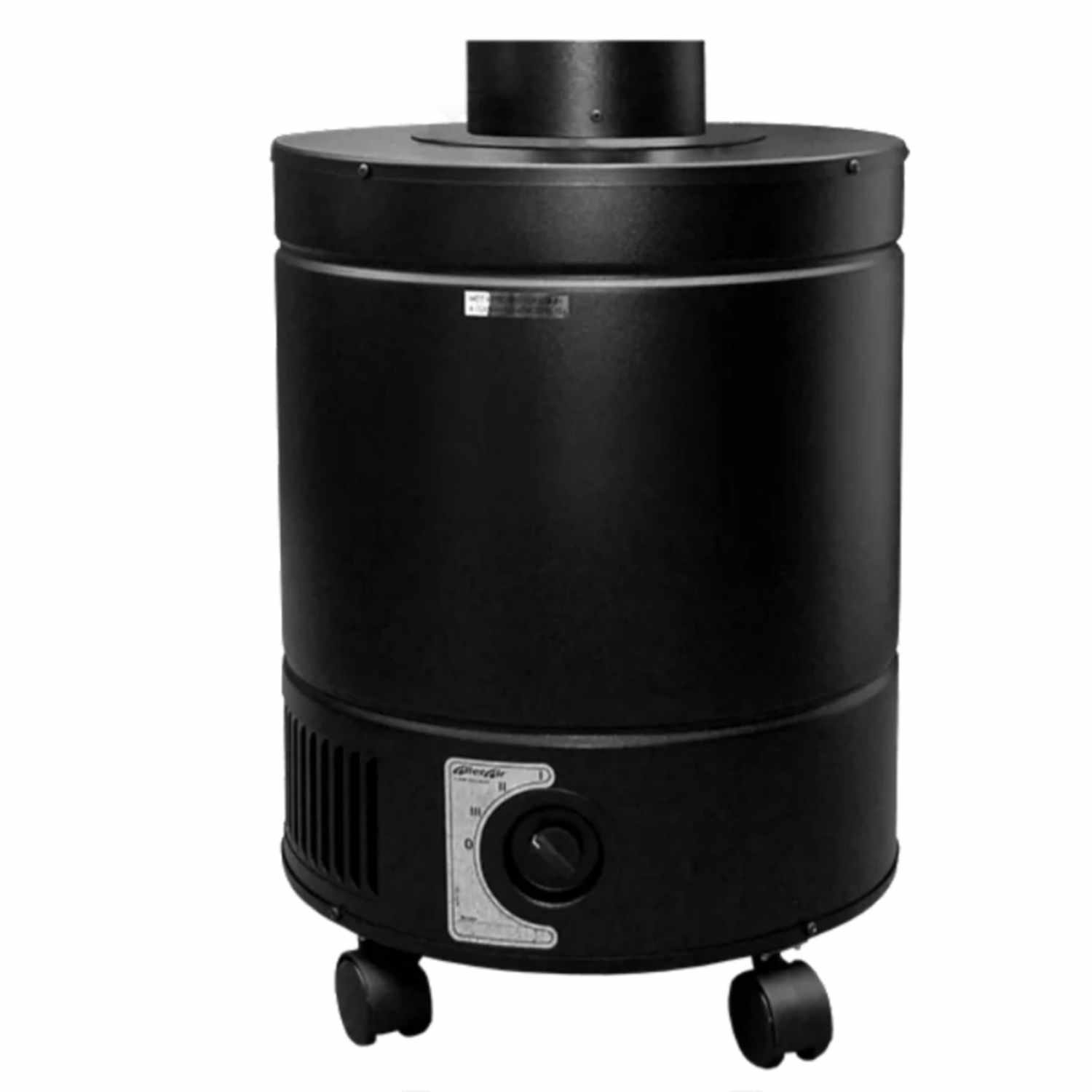
For example, AllerAir's AirMedic Pro series covers rooms from 640 to 2,000 square feet and includes all four stages of filtration — making it a strong choice for homes, offices, schools, and even medical settings across the United States.
Air Purifier for Sickness and COVID — What You Should Know
Many people search specifically for an air purifier for sickness or a COVID air purifier when flu season hits or respiratory illnesses spread through schools and offices. The logic is sound.
In rooms with low ventilation, the COVID-19 virus can travel 3 to 6 feet and linger in the air. A high-quality air purifier running continuously in a bedroom, living room, or office dramatically reduces that risk. Running it 24/7 on a medium setting is more effective than running it on high for short periods.
FAQs — People Also Ask
Can air purifiers remove COVID-19 from the air?
Yes. Air purifiers with Super HEPA filters and UV-C light can capture and neutralize COVID-19 particles, which measure 0.125 microns in size.
What is the best air purifier for bacteria and viruses?
Look for a unit with Super HEPA filtration, germicidal UV-C, and activated carbon. AllerAir's AirMedic Pro series is specifically designed for this purpose and is trusted by hospitals and medical clinics.
Do air purifiers help with mold and germs?
Yes. UV-C light damages mold spore DNA, and HEPA filters capture mold particles before they can spread through your home.
How long does it take an air purifier to clean the air?
Most units clean the air in a standard room within 30 to 60 minutes. Running it continuously gives you the best ongoing protection.
Is a standard HEPA filter enough to kill viruses?
Standard HEPA filters capture particles down to 0.3 microns — but many viruses are smaller. Super HEPA filters, which go down to 0.125 microns, offer significantly better protection against viruses.
Final Thoughts
Indoor air quality is something most of us don't think about — until someone in the house gets sick. The good news is that the right air purifier to kill germs, viruses, and bacteria is not just a marketing promise. The science is real, the technology is proven, and the CDC, EPA, and WHO all back HEPA-based filtration.
If you want genuine protection for your family or workspace, invest in a unit with Super HEPA, UV-C, and activated carbon. Your lungs — and your household — will thank you.

Write a comment ...