
When people think about a healthy classroom, they often focus on comfortable furniture, good lighting, and effective teaching tools. However, one important factor is often overlooked: indoor air quality.
Students and teachers spend several hours each day inside classrooms. During that time, dust, allergens, airborne particles, and chemical pollutants can accumulate in the air. Poor indoor air quality may affect comfort, concentration, and the overall learning environment.
This is one reason why many schools are exploring the use of an Air purifier for classroom environments as part of their indoor air quality strategy.
What Is Really Floating in Classroom Air?
Even classrooms that appear clean can contain various airborne pollutants.
. Dust and Allergens
Dust is one of the most common indoor pollutants. It can contain dirt, pollen, fabric fibers, and other particles brought into the classroom on shoes, clothing, and backpacks.
Students with allergies may be especially sensitive to these airborne particles.
. Mold Spores
Moisture problems in buildings can lead to mold growth. Once mold develops, microscopic spores can become airborne and spread throughout indoor spaces.
. Fine Particulate Matter
Outdoor pollution can enter classrooms through doors, windows, and ventilation systems. Vehicle emissions, construction dust, and wildfire smoke can introduce fine particles into the indoor environment.
These particles are often too small to see but can remain suspended in the air for long periods.
. Chemical Pollutants
Classrooms may contain furniture, carpets, markers, adhesives, cleaning products, and printers that release volatile organic compounds (VOCs). These gases can contribute to odors and reduce overall air quality.
Why Indoor Air Quality Matters in Schools
Clean air supports a more comfortable learning environment. When classrooms contain excessive dust, allergens, or odors, students and teachers may find the space less pleasant.
Good indoor air quality can help schools create environments that feel fresher and cleaner throughout the school day.
As awareness of indoor air quality continues to grow, schools are paying closer attention to filtration, ventilation, and air purification solutions.
How an Air Purifier Works in a Classroom
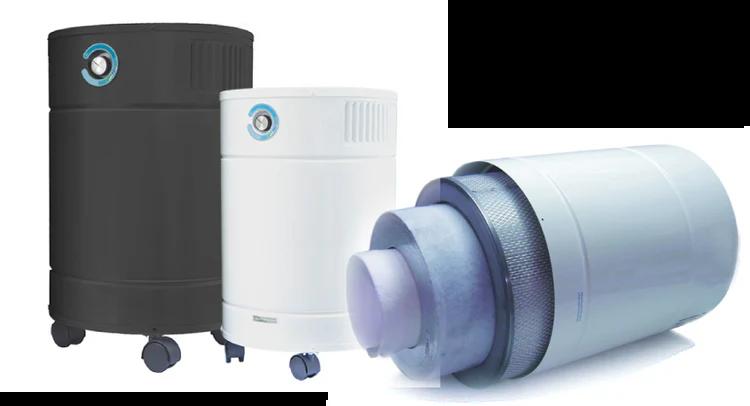
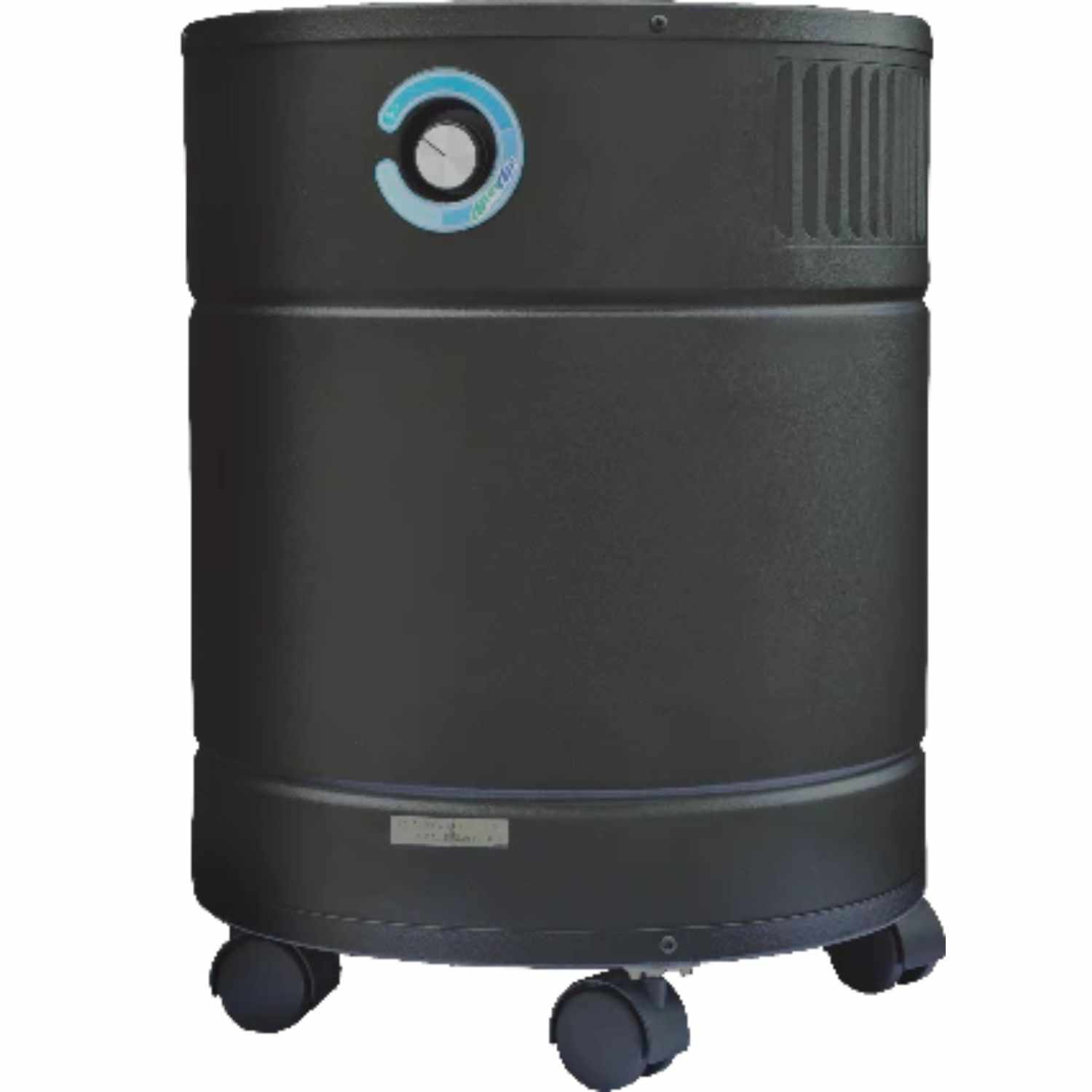
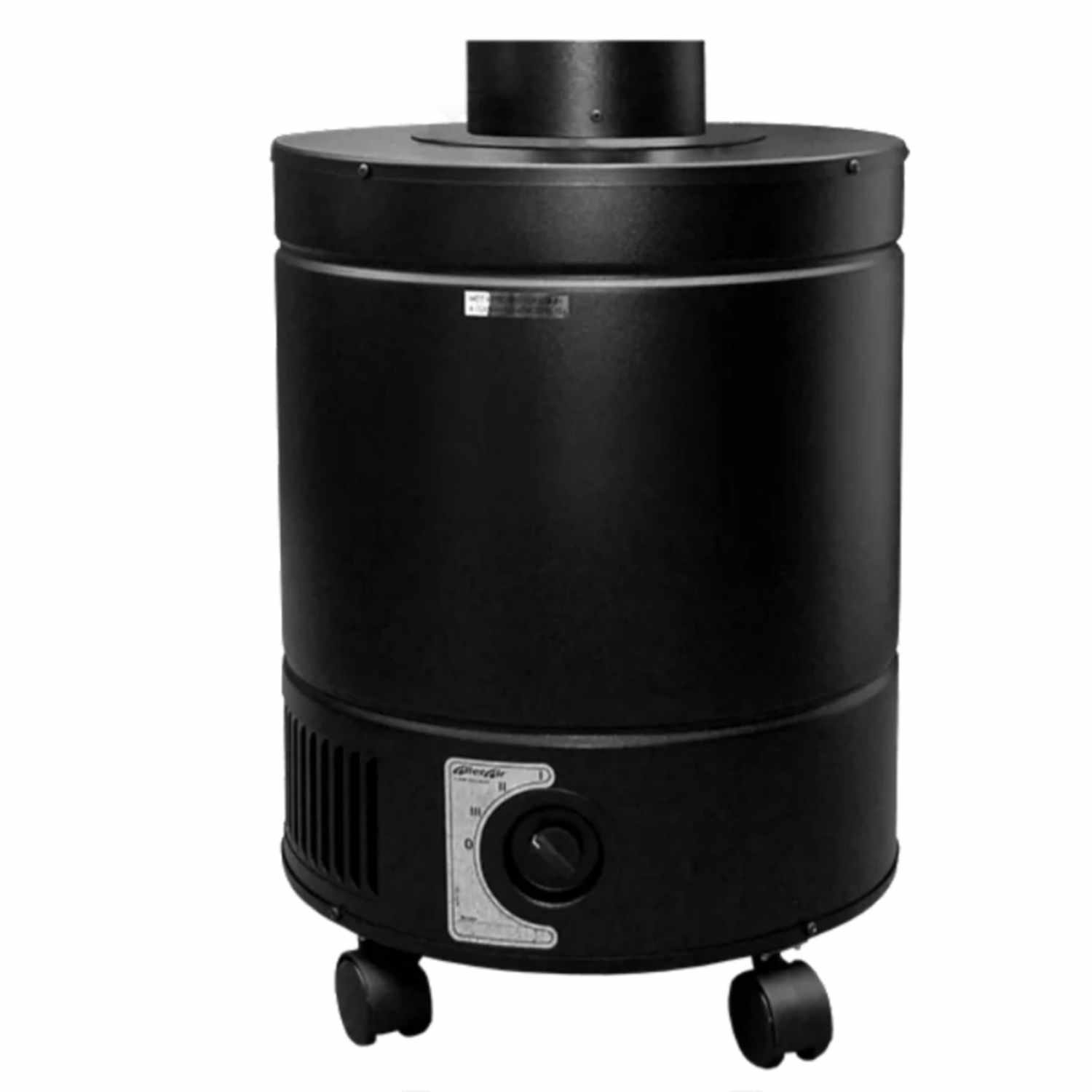
A Classroom air purifier is designed to pull indoor air through a series of filters before releasing cleaner air back into the room.
Most air purification systems use multiple filtration stages.
Pre-Filters
Pre-filters capture larger particles such as lint, hair, and visible dust. This helps protect the main filters and can extend their lifespan.
HEPA Filtration
HEPA filters are designed to capture very small airborne particles, including dust, pollen, mold spores, and other microscopic contaminants.
True HEPA filtration is commonly used in schools, healthcare facilities, and other environments where cleaner air is a priority.
Activated Carbon Filtration
While HEPA filters capture particles, activated carbon filters help reduce odors and certain airborne gases.
This makes carbon filtration useful in classrooms where cleaning products, art supplies, or other materials may affect indoor air quality.
What Makes the Best Air Purifier for Classroom Use?
Not all air purifiers are designed for the same environment. Schools often have different requirements than homes or small offices.
When evaluating the best air purifier for classroom settings, several factors should be considered.
Adequate Room Coverage
The purifier should be capable of handling the size of the classroom.
A unit that is too small may struggle to filter air effectively, while a properly sized unit can provide better overall performance.
Air Changes Per Hour (ACH)
ACH refers to how many times a purifier can clean the entire volume of air within a room during one hour.
Higher ACH ratings generally indicate more frequent air cleaning, which can be beneficial in busy classrooms with many occupants.
Quiet Operation
Noise levels are important in educational settings.
Students need a learning environment that supports concentration and communication. A quieter air purifier is less likely to become a distraction during lessons.
Reliable Filtration
A quality filtration system should include both particle filtration and gas filtration when needed.
Schools often look for units that combine HEPA filtration with activated carbon filtration to address a broader range of pollutants.
Air Purifiers and Ventilation: Why Both Matter
One common misconception is that air purifiers can replace ventilation systems.
In reality, the two serve different purposes.
Ventilation helps bring fresh outdoor air into a building, while air purifiers help remove particles and contaminants already present indoors.
Many indoor air quality experts recommend combining proper ventilation with air purification for more effective air management.
Together, these approaches can help create a cleaner indoor environment.
Common Mistakes When Choosing a Classroom Air Purifier
Schools and facility managers sometimes make purchasing decisions based only on price or advertised room size.
Other important considerations may be overlooked.
Common mistakes include:
Choosing a purifier that is too small for the classroom
Ignoring noise levels
Looking only at HEPA filtration without considering odors and gases
Failing to check filter replacement requirements
Not considering ACH ratings
Understanding these factors can help schools make more informed decisions when selecting an Air purifier for classroom use.
The Growing Focus on Classroom Air Quality
Interest in classroom air quality has increased significantly in recent years.
Parents, educators, and school administrators are becoming more aware of how indoor environments affect everyday comfort and well-being.
As a result, many schools are reviewing their ventilation systems, maintenance practices, and air filtration strategies.
A properly selected Classroom air purifier can serve as one part of a broader approach to improving indoor air quality.
Conclusion
Classroom air often contains a mixture of dust, allergens, fine particles, and chemical pollutants that may affect indoor air quality. Understanding these pollutants is an important step toward creating cleaner learning environments. Whether evaluating an Air purifier for classroom use or searching for the best air purifier for classroom settings, factors such as filtration quality, room coverage, ACH ratings, and noise levels should be carefully considered. Combined with proper ventilation and regular maintenance, air purification can help support cleaner and more comfortable classrooms.

Write a comment ...