
Anyone who owns an AllerAir AirMedic unit eventually asks the same question: does a larger model need its filters changed more often than a smaller one? This comes up often when comparing the AirMedic Pro 5 and AirMedic Pro 6, since both are part of the same product family but are built for different room sizes. Understanding how p owners plan maintenance without over- or under-servicing their unit.AllerAir replacement filters work across these models can hel
How Filter Replacement Schedules Are Determined
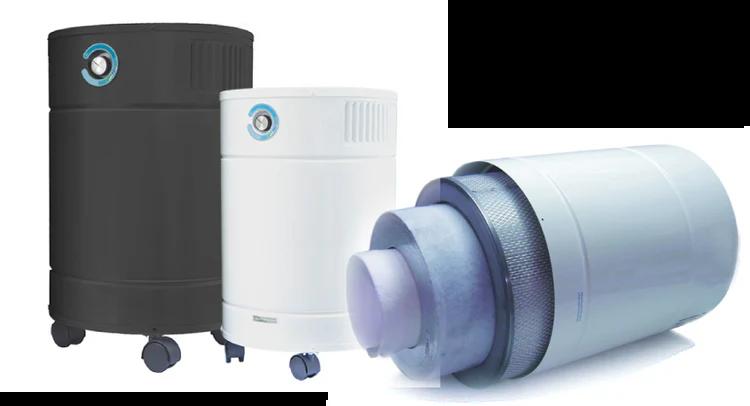
Filter replacement timing is not based on the brand or model name alone. It depends mainly on the type of filter media used and how much air passes through it over time. Most multi-stage air purifiers, including the AirMedic series, use a combination of a pre-filter, an activated carbon filter, and a HEPA or Super HEPA filter, sometimes paired with a UV stage. Each of these components has its own typical lifespan, regardless of which specific unit it sits inside.
Why Size Alone Doesn't Change the Schedule
It might seem logical that a larger unit, which moves more air, would need filter changes more frequently. In practice, however, manufacturers design larger units with proportionally larger filter media to match their higher airflow. This means the filter's surface area scales along with the unit's capacity, which is why the recommended replacement intervals tend to stay consistent across models in the same series rather than shrinking as the unit gets bigger.
Typical Filter Replacement Intervals
For general household use, air purifier filters usually follow a similar pattern across models:
Pre-filter – typically replaced every 3 months, since it captures large particles like dust and hair first
Activated carbon filter – generally replaced every 2 to 3 years, with a shelf life of around 5 years if unused
HEPA or Super HEPA filter – usually replaced every 2 to 3 years
UV component (if included) – typically replaced annually, since the bulb's effectiveness decreases with use over time
These intervals apply broadly across comparable multi-stage air purifiers, which is part of why owners often notice similar guidance regardless of which specific model they own.
AirMedic 5 Filter Replacement
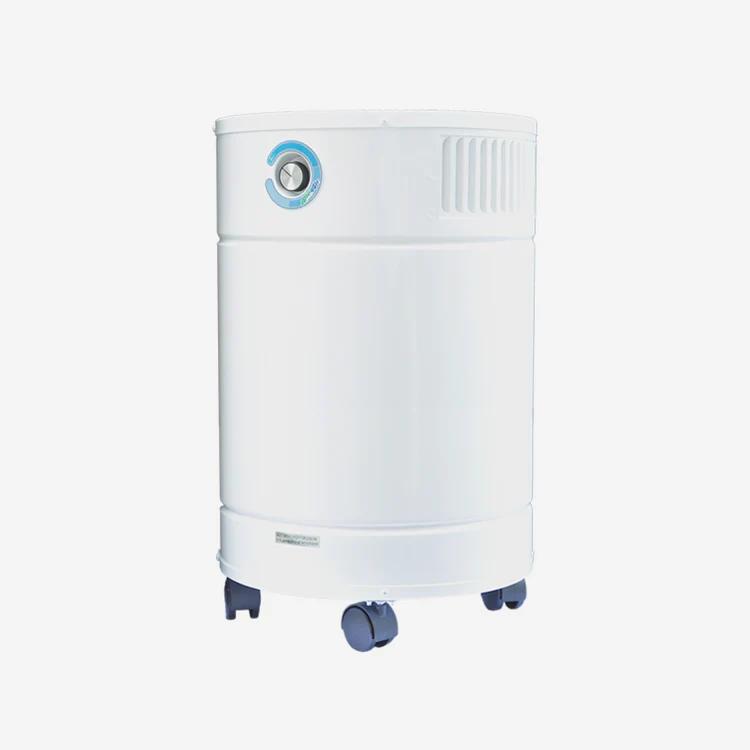
The AirMedic 5 filter replacement schedule follows this same general structure. Because the Pro 5 is designed for mid-to-large rooms, its filter set is sized to match that airflow capacity, and the maintenance intervals mirror the standard timeline described above. Pre-filters are checked most frequently, while carbon and HEPA stages are assessed on a multi-year cycle.
AirMedic 6 Filter Replacement
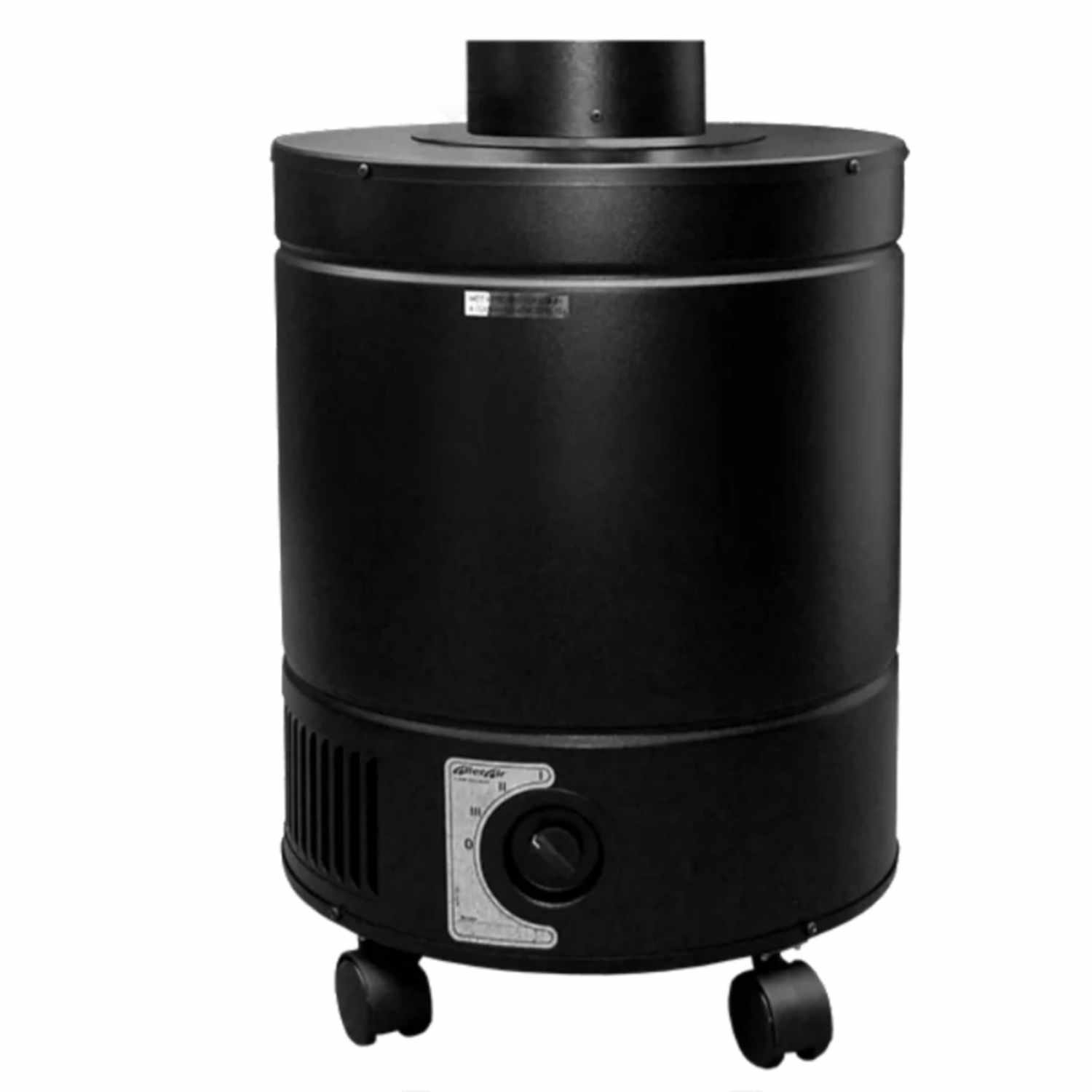
The AirMedic 6 filter replacement timeline is built the same way. Since the Pro 6 is intended for larger spaces, its filters are proportionally larger to handle the increased airflow, but the actual replacement frequency does not change simply because the room size rating is higher. Owners typically follow the same 3-month, multi-year pattern as the Pro 5.
Factors That Can Still Affect Timing
While the baseline schedule is similar across both models, several conditions can shift how often filters actually need attention:
Air quality in the home – homes near traffic, construction, or wildfire smoke may need more frequent pre-filter changes
Household activity – smoking, cooking frequency, and pet ownership can accelerate particle buildup
Hours of daily operation – a unit running continuously will accumulate particles faster than one used only part of the day
Humidity levels – higher humidity can affect how filters perform over time
Because of these variables, the standard schedule should be treated as a general guideline rather than a fixed rule. Checking filters periodically, especially the pre-filter, helps confirm whether a unit needs servicing sooner than the average timeline suggests.
Sourcing AllerAir Replacement Filters
When it is time for a change, using properly matched AllerAir replacement filters helps ensure the unit continues operating as intended. Filters are typically sized and rated to fit specific series, so matching the correct filter set to the correct model is an important step in maintaining consistent airflow and filtration performance.
What This Means for Owners
For someone deciding between the Pro 5 and Pro 6, filter maintenance frequency is unlikely to be a major differentiating factor. Both models are engineered so that their filter lifespans stay aligned with the same general schedule, even though the units themselves are built for different room sizes. The more relevant factors are the specific environment the unit operates in and how consistently maintenance is followed.
Conclusion
In general, the AirMedic 5 and AirMedic 6 follow comparable filter replacement schedules, since both are designed with filter capacity that scales alongside their airflow needs. Actual timing can still vary based on household conditions, air quality, and usage patterns, so owners are encouraged to monitor their specific unit rather than relying solely on a fixed timeline.

Write a comment ...